
I remember the feeling of absolute defeat when I unboxed what I thought was a pair of flagship Bose headphones I’d snagged for a “steal.” The packaging looked decent, but the moment I touched the ear pads, something felt off. They were stiff, smelling more like industrial chemicals than luxury. When I finally plugged them in, the noise canceling was non-existent. It was a $200 lesson in humility. I’d fallen for a high-end counterfeit.
Don’t Let the Shiny Packaging Fool You
Most of us think we’re too smart to be tricked. We look for the logo, check for a warranty card, and call it a day. But the counterfeit market has evolved. Modern fakes aren’t just cheap knockoffs; they are “super clones” designed to mimic weight and texture perfectly. If you are buying used, you might even find yourself wondering why your headphones sound quiet on your laptop but loud on your phone, only to realize the internal drivers are actually $2 parts from a bargain bin.I made the classic mistake of trusting a seller’s “unopened box” story without inspecting the actual unit. It’s a painful mistake that kills the joy of new gear. To keep you from that same gut-punch feeling, we’re going to dissect the tiny details—from the grain of the leather to the weight of the magnets. If you’ve already bought a pair and suspect the worst, you should test your headphones for a blown driver at home because fakes often fail quickly under high-volume stress.
Can a $50 Clone Actually Sound Like a $400 Original?
This is the question that keeps the counterfeit market alive. Some people hope they’ve found a “factory backdoor” unit. Let’s be real: they haven’t. According to the U.S. Chamber of Commerce, counterfeit goods represent a significant portion of the global trade economy, and high-end audio is a primary target. These fakes don’t just sound bad; they lack the safety standards and quality control of the originals.While you might be tempted to clean your headphone ear pads to make a used pair feel new, no amount of scrubbing will fix a fake driver. You need to know the secret to identifying counterfeit high-end earbuds online before the transaction even happens. Have you ever bought a piece of gear that turned out to be a total fraud? It’s more common than you think. Let’s dig into the specific red flags you can spot with your own eyes and ears.
Weigh Your Gear Against the Specs
The fastest way to catch a high-end fake is to bring a digital scale. Counterfeiters often nail the look of a product, but they struggle with the physics. Genuine premium headphones use high-density neodymium magnets and reinforced metal frames that carry specific weight. I once brought a pocket scale to a meet-up for a pair of Sennheisers. The seller looked at me like I was crazy until we saw the unit was 40 grams lighter than the manufacturer’s spec sheet. That missing weight usually points to cheaper, smaller drivers or plastic substituted for magnesium alloy. If you are buying speakers, the same rule applies; heavy cabinets usually mean better bracing and larger magnets. Before you hand over cash, you should know how to tell if your speaker is actually blown or just rattling, as fakes often use loose-fitting components that vibrate under load.
The Serial Number Shell Game
Don’t just look for a serial number; verify it. Modern ‘super clones’ often come with real serial numbers stolen from actual units. The trick is to check the manufacturer’s registration portal right in front of the seller. If the site says the warranty expired three years ago for a ‘brand new’ item, walk away. I learned this the hard way at a swap meet where the box looked perfect, but the internal firmware wouldn’t update because the hardware ID was blacklisted. This is especially vital when navigating the trick to buying high-end audio at estate sales, where you might find genuine vintage gems mixed with modern replicas.
Listen for the Tell-Tale Audio Hiss
Authentic high-end gear prides itself on a low noise floor. If you plug in a pair of active noise-canceling (ANC) headphones and hear a constant, high-pitched white noise or ‘ocean’ sound, the processing chip is a cheap imitation. Genuine ANC technology is silent. High-pitched artifacts are a sign that the internal circuitry is struggling with basic signal processing. If the soundstage feels cramped or ‘mono,’ you should check how to tell if your speakers are out of phase in 30 seconds to see if it’s a wiring error or just poor manufacturing.
Never Buy a Used Receiver Without the Remote
If you are moving into home theater gear, the hardware itself might be real, but the deal can still be a scam. I once picked up a high-end Denon at a flea market for $50. It looked pristine, but because I forgot a core rule, I realized too late why you should never buy a used receiver without the remote. Many modern receivers lock essential calibration and EQ settings behind proprietary remote functions. Without it, you are stuck with the previous owner’s terrible settings, and buying an OEM replacement can cost more than the receiver itself. Always check that the ‘Menu’ and ‘Setup’ buttons actually respond before finishing the transaction.One of the biggest lies in high-end audio is that you need to spend hundreds on silver-plated interconnects to hear the “true” sound. In reality, once you cross the threshold of basic shielding, the returns diminish to near zero. You should definitely stop wasting money on expensive optical cables because, in the digital realm, a bit is a bit. I’ve seen enthusiasts drop $500 on a cable while their speakers were shoved into a corner, completely ruining the frequency response. This leads to what pros call “boundary gain,” where your floorstanding speakers sound boomy in the corner, masking the very detail you just paid for.
The Physics of the Room Always Wins
Here is the “oops” factor many veterans overlook: the room is your most important component. According to research by Dr. Floyd Toole, a former president of the Audio Engineering Society and author of Sound Reproduction, the room’s interaction with the speaker accounts for a massive portion of what we actually hear. If you’re struggling with muddy audio, understanding why your soundbar sounds thin in a room with high ceilings might have more to do with vertical reflections than the brand name on the box. Before you blame the hardware, look at your walls. 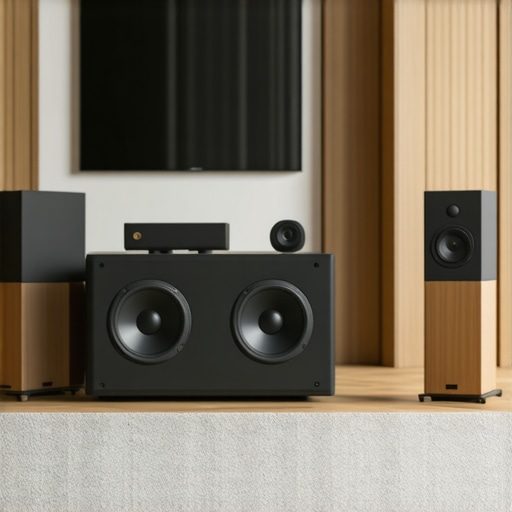
Does Your Speaker Actually Need a ‘Break-In’ Period?
You’ll hear sales reps swear that you need 100 hours of “burn-in” before a speaker sounds right. While there is a mechanical shift in the suspension during the first few minutes, the truth about speaker break-in periods is that it is mostly your brain adjusting to the new sound signature. It is often a psychological tactic used to keep you from returning the product during the initial buyer’s remorse window. However, when buying vintage gear, don’t confuse “breaking in” with actual aging. You absolutely need to know how to tell if your speaker capacitors are starting to leak in an older amp, as that chemical failure will alter the tone far more than any cable ever could. If you’re hunting for deals, remember: the best gear in a bad room still sounds like bad gear. Have you ever fallen into this trap? Let me know in the comments.Once you’ve wrestled with room acoustics and avoided the trap of fakes, the real work begins: the long-term survival of your investment. I’ve seen $5,000 systems sound like garbage because the owner let oxidation turn their connectors into resistors. Maintenance isn’t a chore; it’s an insurance policy. I personally swear by a can of DeoxIT D5. If you’ve ever dealt with a crackle when you turn the dial, you need to know how to fix a scratchy volume knob on an old amp. Just a quick spray can restore conductivity that’s been lost to years of dust and humidity. While you’re at it, don’t forget the back of the unit. You should learn how to clean gold-plated connectors without ruining the finish, because even gold can attract a film of grime that degrades the signal.
Stop the Static Before it Kills Your Vibe
How do I keep my vintage receiver alive for decades?
The secret is heat management and electrical hygiene. If you push your gear hard, especially during those long listening sessions, you might find why your receivers protection mode keeps triggering at high volume. It is often a sign that the internal heatsinks are clogged or your impedance matching is off. For the hardcore enthusiasts looking to scale their setup, understanding the easiest way to daisy chain two amplifiers safely is a game changer, but it doubles your maintenance responsibility. You have to keep an eye on those capacitors and ensure the airflow is unobstructed to prevent thermal runaway.#IMAGE_PLACE_HOLDER_D#
The $15 Tool That Saves Your System From a Short Circuit
Beyond chemicals, you need a digital multimeter. It is the most important $15 you will ever spend in this hobby. I use mine to hunt down ghosts in the machine. If a channel goes dead, don’t panic; you can use a multimeter to find a short in your speaker wires in about two minutes. This prevents you from blowing an expensive output stage on a rare vintage amp. Speaking of “ghosts,” if you hear a low-frequency buzz, you aren’t alone. As Bill Whitlock, a renowned expert on signal interfaces and former president of Jensen Transformers, notes in his technical papers on ground loops, magnetic field coupling is often the silent culprit behind that annoying hum. That’s why the $5 fix for humming speakers and ground loops—usually a simple ground lifter or isolation transformer—is so effective at cleaning up your signal path.Looking ahead, the future of home audio isn’t just better hardware; it’s smarter software. We are moving toward a world where AI-driven room correction becomes standard even in entry-level gear. Eventually, your speakers will “self-heal” by adjusting their Digital Signal Processing to compensate for aging components. But until that day comes, you still need to be the mechanic. If you’ve noticed one speaker is quieter than the other, take the time to fix channel imbalance on a vintage stereo amplifier before the internal components drift too far out of spec. My advanced tip for today? Crack open your amp (carefully!) and look for ‘bulging’ cans. If you see them, replace them now. It’s the difference between a minor repair and a total meltdown.
The Expensive Realization That Shiny Specs Don’t Always Equal Sound Quality
After years of chasing the next big upgrade, I’ve realized that the most expensive mistake you can make isn’t buying a bad speaker; it’s buying a speaker that doesn’t fit your life. We often get caught up in the marketing hype of ultra-wide frequency response or military-grade components, but in the real world, a perfectly balanced system often comes down to the basics. If you are setting up a turntable for the first time, you might be frustrated by mechanical vibrations, but knowing why your record player skips when you walk across the room is often a matter of isolation rather than the price of the stylus. My lightbulb moment came when I stopped looking at the brand name and started looking at the build quality and serviceability. I used to think I needed a massive tower for bass, only to find that why two small subwoofers are better than one massive driver is because of how they smooth out room modes. It’s about being smart, not just being rich.
The Essential Toolkit for Every Serious Gear Hunter
If you want to survive the used market without getting burned, you need more than just a keen ear. I never leave home for a gear hunt without my Survival Kit. First, a high-quality digital scale to verify the weight of magnets. Second, a bottle of DeoxIT—it is magic in a can for vintage pots. Third, knowledge is your best weapon. I highly recommend picking up a copy of Sound Reproduction by Floyd Toole; it will change how you view acoustics forever. When you’re dealing with older units, you have to be ready for some DIY work. Learning how to revive old speakers with new foam surrounds can turn a $50 thrift store find into a $500 centerpiece. Also, be mindful of your portable gear; avoiding the mistake that kills your portable speaker battery life—like deep discharge or extreme heat—will save you from constant replacements.
#IMAGE_PLACEHOLDER_E#
Your Next Step Toward a Truly Transparent Listening Experience
The world of high-end audio is a rabbit hole, but it’s one worth exploring if you keep your wits about you. Don’t let the fear of counterfeits or room gain stop you from hunting for those legendary home audio deals. Every system is a work in progress, and the joy is in the discovery—finding that perfect placement, cleaning that one stubborn connector, and finally hearing the music exactly as the artist intended. Trust your instincts, use your tools, and never stop tweaking. Your ears will thank you for the effort you put into the details today. Have you ever found a deal that turned out to be a total fraud, or perhaps a hidden gem you rescued from a garage sale? Let me know your best (and worst) finds in the comments below!