
I remember sitting on a cramped flight to Chicago, squeezed between a gentleman who clearly enjoyed extra onions on his sandwich and a toddler who was auditioning for a lead role in a heavy metal band. I’d just dropped a significant chunk of my paycheck on a pair of ‘top-tier’ noise-canceling headphones, and I was ready for my cocoon of silence. I flipped the switch, waited for the magic, and… I could still hear the engines. I could still hear the kid. I honestly thought I’d been scammed. I felt that immediate pit in my stomach, wondering if I had just bought a very expensive pair of regular earmuffs. It turns out, I wasn’t alone in that confusion, and today I want to make sure you never have to feel that ‘is this thing even on?’ anxiety again.
Stop Guessing If Your ANC Is Doing Its Job
Maybe you’ve had that same sinking feeling. You put your gear on in a relatively quiet room and suddenly notice a faint, ghostly sound. You might start wondering why your noise canceling headphones hiss in quiet rooms, thinking it is a hardware defect. In reality, Active Noise Cancellation (ANC) is a high-speed game of math involving microphones and inverted sound waves. If you don’t know exactly what to look for—or listen for—it is incredibly easy to mistake a perfectly functioning pair of headphones for a dud. We are going to dive into the physical signs of success today, from the pressure in your ears to the way your music suddenly feels ‘closer’ to your brain. We will also check if you need to replace your headphone pads, because a crumbling seal is the number one reason why even the best tech fails to deliver that promised silence.
Could This Tech Actually Be a Massive Waste of Money?
I used to be a total skeptic until I realized I had made a rookie mistake: I was expecting the headphones to delete the entire world. A big part of the ‘is it working?’ puzzle is managing your expectations. According to the experts at the Audio Engineering Society, active noise reduction is most effective against consistent, low-frequency drones below 1kHz. This means your headphones are built to kill the roar of a jet engine, not the sharp, unpredictable bark of a neighbor’s dog. If you’re testing them by having someone talk to you, you might think they are broken when, in fact, ANC naturally struggles with high-pitched voices and sudden noises. Another trap I fell into early on was buying from a ‘too-good-to-be-true’ marketplace, so please, make sure you know how to identify fake premium headphones before you give up on the technology entirely. Have you ever put on a pair of noise-cancelers and felt absolutely no difference at all, or did it feel like your ears were being sucked into a vacuum? I want to hear about your first experience in the comments. Let’s get into the nitty-gritty of how to run a proper diagnostic at home without any fancy equipment.
Nail the Physical Seal First
Before you blame the electronics, look at the foam. I once spent forty-five minutes troubleshooting a pair of flagship headphones only to realize my glasses were breaking the seal against my skull. Active noise cancellation is like a dam; even a tiny crack lets the flood in. This is called passive isolation, and it is the foundation for everything else. Ensure your ear pads are plush and fully surrounding your ears without any gaps. If you see cracks or flaking, it is a sign that the acoustic chamber is compromised. Checking if you need to replace your headphone pads is the first step in any diagnostic because no amount of software can fix a physical air leak. If the clamp is too tight or too loose, it won’t sit right against your jawline, and you might need to learn how to stretch a tight headphone headband without snapping it to get that perfect, sound-blocking fit. Without a vacuum-like seal, the anti-noise waves generated by the drivers will simply bleed out before they can cancel anything.
Test Against a Constant Low Drone
The easiest way to see if the tech is alive is to stand next to a bathroom exhaust fan or a window AC unit. These machines produce a predictable, low-frequency hum that ANC thrives on. Put the headphones on without music first. Toggle the ANC switch. You should feel a distinct “pressure” change, often described as the ‘cabin pressure’ sensation. This happens because the drivers are pushing air to create the inverted sound waves. When I first did this with a budget pair, the change was so subtle I thought I had been ripped off. It was not until I compared them to a friend’s set that I realized the trick to making 50-dollar headphones feel like 300-dollar monitors often comes down to environment and EQ settings rather than just the ANC chip itself. If the hum of the fan vanishes or turns into a distant, thin ‘whoosh,’ your system is healthy. If you only hear a slight volume drop, the circuitry might be failing.
Listen for the Internal Noise Floor
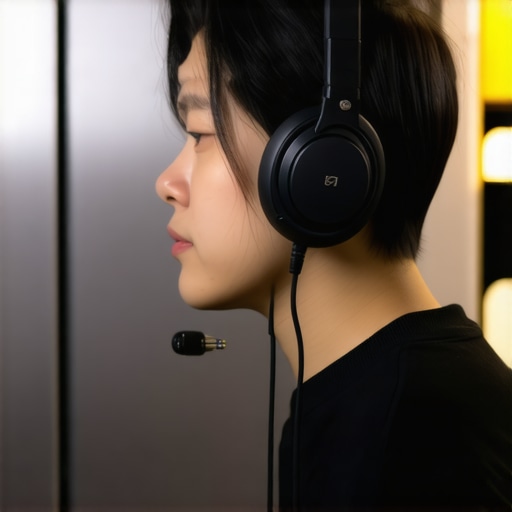
Go into a dead-silent room, like a closet full of clothes. Turn the ANC on. If you hear a faint white noise or a very light static, do not panic. This is the “noise floor” of the internal microphones working at maximum gain. It is a byproduct of the circuitry. However, if this hiss is louder than the external noise you are trying to block, or if it only happens in one ear, you might be dealing with a hardware flaw. I remember a specific incident where one side of my earbuds was significantly quieter than the other, which turned out to be a blocked mic port after a humid summer run. If you encounter this, it is worth investigating the reason one side of your earbuds is quieter than the other before assuming the ANC has died. Similarly, if you are using wireless buds for the gym and they start acting up, moisture might be the culprit, which is a common reason your earbuds sound tinny after a workout. Salt from sweat can dry on the microphone mesh, muffling the very sensors needed to measure outside noise.
Verify the Mic Ports are Clear
ANC relies on external microphones to “hear” the world before it can cancel it. Think of these mics as the ‘eyes’ of your headphones. If these tiny holes are clogged with pocket lint, earwax, or dust, the system goes blind and cannot calculate the proper anti-wave. Use a soft-bristled brush or a toothpick very carefully to clear the ports. This is a common issue with high-end gear bought second-hand. If you are shopping used, always use the secret to identifying counterfeit high-end earbuds online to ensure you are even working with real hardware. Authentic noise-canceling chips are expensive and complex; many fakes just use thick padding and hope you will not notice the electronic cancellation is missing. Testing the microphones by recording a voice memo can also help; if your voice sounds muffled or crackly, the mics used for ANC are likely the culprit.
If you have cleared the ports and checked the seals but things still do not feel quite right, we need to talk about the nuances that marketing brochures conveniently skip. Most people assume that turning ANC to the maximum setting is always the superior way to listen, but in my experience, this is often a major mistake. When you crank the cancellation to its limit, the internal Digital Signal Processing (DSP) has to work overtime, which can squish the dynamic range of your music. It is one of the main reasons your favorite tracks might feel a bit lifeless or ‘thin’ compared to when you are listening in a quiet room with the tech turned off. If you are a purist chasing that wide soundstage, you might realize that why your open-back headphones leak sound even at low volumes is actually a sign of superior acoustic design, rather than a flaw you need to fix with software.
Does Active Cancellation Ruin High-Fidelity Audio?
This is the question that keeps audiophiles up at night. While ANC is a miracle for frequent flyers, it is not without a cost to the signal. A study published by the Journal of the Audio Engineering Society notes that active systems can introduce ‘spectral tilt,’ where the frequency response of the headphones shifts as the microphones fight to negate external noise. This means the bass you hear might be electronically boosted to compensate for the cancellation, rather than being a true representation of the original recording. If you find your audio lacks punch even on high-end sets, you should investigate how to tell if your headphones need an external amp. Sometimes, the internal battery is just too busy powering the ANC chips to give the actual drivers the juice they need for high-fidelity playback.
Avoid the Soundbar Trap in Large Rooms
The ‘is it working?’ anxiety is not just limited to headphones; I see it constantly with home theater setups too. Many people buy a premium soundbar and wonder why the voices still sound like they are coming through a tin can. The ‘oops’ factor here is usually the room itself. If you have high ceilings or hard tile floors, that expensive bar is fighting a losing battle against echoes. This is often the truth about why your soundbar dialogue is still muddy despite the ‘Clear Voice’ settings being turned up to eleven. Similarly, if your bass feels disconnected or rattling, you are likely falling for the mistake you’re making when positioning your subwoofer by tucking it too deep into a corner where standing waves can destroy the clarity. Have you ever fallen into the trap of thinking a software setting could fix a fundamental physics problem in your room? Let me know in the comments. We need to remember that even the most advanced algorithms are still bound by the acoustics of the space they are in.
Maintaining your investment is where most people fail. I’ve seen thousand-dollar setups die a slow death simply because of dust and neglect. One tool I swear by is a simple, dry, soft-bristled artist’s brush. I use it to gently clear the mesh on my earbuds every Sunday morning. It is the easiest way to manage the best way to clean earwax out of mesh earbuds without pushing the gunk deeper into the driver housing. If you have ever noticed your ANC performance dropping after a few months, those tiny external ports are usually the culprit.
How do I keep my gear sounding like day one?
Consistency is everything. For speaker owners, you have to be delicate. I once saw a friend ruin a pair of high-end towers because they thought a vacuum was a good way to remove cat hair. You should actually learn how to clean your speaker cones without ruining the paper using a microfiber cloth and almost zero pressure. And whatever you do, why you should never use compressed air to clean a silk dome tweeter is a lesson you do not want to learn the hard way; that blast of air can easily deform the delicate material, permanently altering the high-frequency response. According to technical documentation from Sennheiser Professional Support, even microscopic amounts of skin oils on a headphone diaphragm can attract enough dust to cause mechanical resonance or ‘crinkling’ noises at high volumes. This is why I always wipe down my pads after long sessions.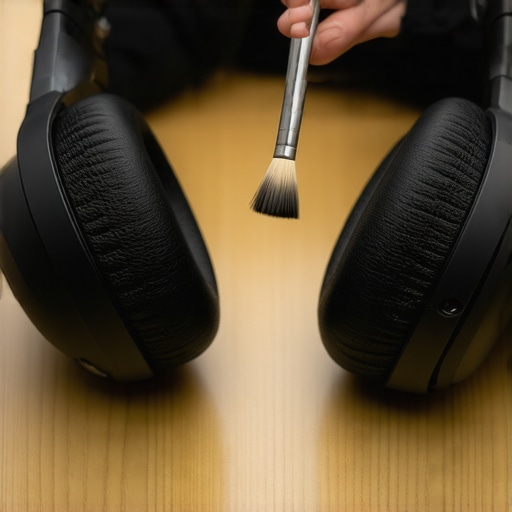
Keep Your Connections Clean and Pure
We focus so much on the tech inside the box that we forget the path the signal has to take. Oxidization is a silent killer of clarity. Every six months, I pull every cable in my rack and clean the terminals. You have to be careful with the materials, though. I specifically learned how to clean gold-plated connectors without ruining the finish because using an abrasive kitchen cleaner will just strip away that precious metal. It matters because the real difference between gold and silver-plated connectors isn’t just about the initial price; it is about how they resist environmental corrosion over years of use. If you are dealing with vintage gear, you might find the dials getting ‘fuzzy.’ Look for signs of aging hardware, and knowing how to tell if your speaker capacitors are starting to leak can save your entire system from a catastrophic short circuit.
The Future of Personal Silence
Where is all this heading? I suspect we are moving toward ‘Predictive ANC.’ Instead of just reacting to sounds, future chips will use AI to learn your specific environment—like your daily commute or your specific office noise—and build a custom noise profile before you even step through the door. We might also see more integration of real-time room-correction software directly into headphones, similar to how modern soundbars calibrate themselves to their surroundings. Go grab a dry, soft brush right now and clear the microphone ports on your headphones. You might be surprised at how much ‘newness’ you can restore in just thirty seconds.
Hard Truths from a Decade of Chasing Silence
I’ve spent thousands of hours testing gear, and if there is one thing I’ve learned, it’s that software updates are a double-edged sword. Sometimes a firmware improvement actually reduces the ANC strength to preserve battery life, leaving you wondering if your hardware failed. Always check the change logs before hitting update. Also, never underestimate the impact of your environment; I once thought my headphones were dying, but it turned out why your bluetooth headphones stutter when walking near microwaves is just a reality of the 2.4GHz spectrum fighting for space. Lastly, if the soundstage feels off, it might not be the ANC chip at all—it could be a balance issue, and knowing how to fix channel imbalance on a vintage stereo amplifier or modern gear often starts with checking the source cable first.
#IMAGE_PLACEHOLDER_E#
Gear That Keeps My Audio Pristine
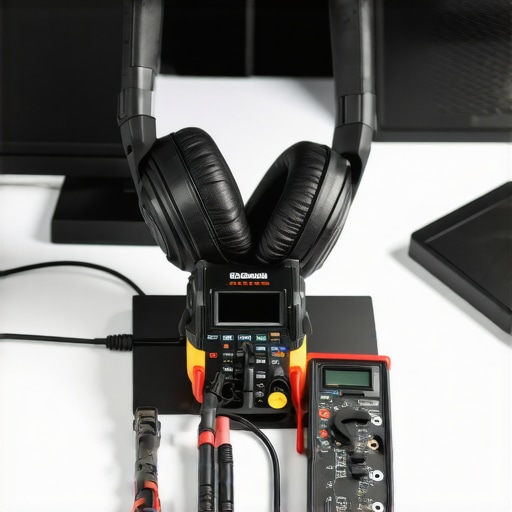
You don’t need a lab to keep your gear in top shape, but you do need the right mindset. I swear by a dedicated cleaning kit that includes a high-quality soft-bristled brush for the microphone ports. It is truly the best way to clean earwax out of mesh earbuds without risking a puncture. For those who dive deeper into the hobby and work with wired setups, I always recommend keeping a cheap multimeter handy. Learning how to use a multimeter to find a short in your speaker wires has saved me from throwing away perfectly good cables more times than I can count. I also trust technical resources like the Audio Engineering Society journals for objective data when marketing claims seem too good to be true.
Reclaim Your Focus with Every Listen
At the end of the day, active noise cancellation is a tool designed to give you back your peace of mind in a noisy world. It is a feat of engineering that we often take for granted until that first bit of static or hiss appears. Don’t be afraid to poke around your settings or give those tiny mic ports a gentle cleaning today. Your ears—and your favorite albums—will thank you for the extra effort. The technology will only get smarter from here, but the physical care you provide is what ensures your investment lasts for years of immersive listening.
Have you ever noticed your ANC performance drop after a long flight or an intense workout? Let me know in the comments how you fixed it!