
It was 11 PM on a Tuesday. I had finally sat down with a glass of wine, ready to let my high-end system wash over me with some smooth jazz after a long day. Then it happened. A jarring, distorted blast of a viral TikTok song—something involving a high-pitched squeal—erupted from the corner of my living room at near-maximum volume. My neighbor, Dave, had managed to pair his phone with my receiver again. I jumped so hard I nearly took out my coffee table. That was the moment I realized my ‘smart’ home setup was acting incredibly stupid. I had spent months obsessing over why your floorstanding speakers sound boomy in the corner, yet I’d left the digital front door wide open for any signal within fifty feet. It’s more than just an annoyance; it’s a violation of your personal space. Today, I am going to show you exactly how to lock down your audio fort so that Dave stays in his own apartment and your speakers play only what you want them to play.
The Night My Living Room Became a Public Radio Station
I’ll admit it: I made a classic rookie mistake. When I first unboxed my current setup, I was so excited to hear the clarity that I left the Bluetooth on ‘open pairing’ mode. I figured my thick walls would be enough of a shield. I was wrong. I didn’t realize that why your bluetooth range drops the moment you close the door isn’t always a guarantee of security. Some Class 1 Bluetooth devices, according to the Bluetooth Special Interest Group (SIG), can actually maintain a connection at distances of over 300 feet, which is more than enough to pierce through modern drywall and hijack your evening. Dealing with these intrusions taught me that convenience often comes at the cost of control. If you have ever felt that sudden spike of adrenaline when a stranger’s podcast starts playing through your soundbar, you know exactly why we need to fix this.
Is My Gear Just Too Old to Stay Secure?
You might be wondering if this is just a flaw in older tech that we have to live with. The truth is, even some modern, high-end speakers lack a ‘hidden’ mode, making them visible to anyone searching for a new device. We are going to dive into the settings and physical workarounds that actually work.
Taking Back Control of Your Wireless Signal
The first thing we need to address is the ‘always-on’ nature of most modern receivers. We often ignore the tiny details, much like how people forget why your bluetooth audio lags while watching movies until it ruins a climactic scene. If your speaker doesn’t require a PIN code to pair, you are essentially leaving your front door unlocked. I’m going to guide you through the process of clearing your device’s pairing list and, if necessary, using physical signal blockers to keep your neighbors out. Have you ever been startled by a random connection in the middle of the night? It’s a common headache, but it’s one we can solve with a few minutes of configuration.
Hide Your Gear in Plain Sight
When you leave your receiver’s name as ‘Receiver-XZ-5000,’ you’re practically handing Dave a map to your speakers. It’s like leaving a ‘Welcome’ mat out for digital squatters. The first thing I did after the TikTok incident was dive into the network settings and change the device name to something completely unappealing, like ‘HP-LaserJet-M2727-Printer.’ Nobody wants to pair their phone with a printer. This simple layer of social engineering works surprisingly well for preventing accidental connections. Think of it as camouflage for your high-end audio gear. Most people won’t even try to connect to a device they don’t recognize.
Wipe the Slate Clean with a Factory Reset
If your speakers are already being haunted by old connections, you need the ‘nuclear option.’ Most modern soundbars and amps have a specific button combination—usually holding the volume down and the power button for ten seconds—that clears the internal memory. I remember doing this to a vintage-style unit I bought and being surprised at how many unknown phones were still in the cache. It was like a digital graveyard of past parties. While you are back there messing with the hardware, it’s a good time to look for physical issues, much like how you would check how to tell if your amps capacitors are failing if you notice weird pops or hisses. A fresh start ensures that only your current devices have the digital ‘key’ to the house. 
Ditch the Bluetooth for a More Secure Wi-Fi Stream
Bluetooth is essentially a megaphone; it shouts to anyone in range. Wi-Fi streaming, like AirPlay or Spotify Connect, is more like a private conversation over a secure network. When I finally moved my primary listening setup to a dedicated Wi-Fi streamer, the intrusions stopped instantly. Why? Because Dave isn’t on my home network. If you find that why your wireless sub keeps disconnecting from the soundbar is a problem when using Wi-Fi, it’s usually a signal congestion issue, not a security one. Switching to a network-based connection means you have to physically be logged into the router to take control of the volume. It’s the difference between shouting in a park and talking on an encrypted line.
The Myth of the Bulletproof Signal
We often assume that digital signals are either ‘on’ or ‘off,’ but they are actually quite fragile. I once tried to build a DIY shield out of literal aluminum foil around my receiver to block signals from the hallway. It was a disaster. Not only did it look like a high-school science project gone wrong, but it trapped heat and nearly fried my internal boards. I realized that instead of blocking signals with foil, I should focus on intelligent placement. Much like why your bluetooth headphones skip when you put your phone in your pocket, small physical barriers like a dense bookshelf or even a thick curtain can dampen the signal reach without ruining the aesthetics of your room. Just be careful about airflow—you should know why you should never place your subwoofer inside a cabinet-2 or your receiver in a tight, unventilated box, or you’ll be dealing with thermal shutdown before the first song finishes. If you’ve ever wondered the reason one side of your earbuds is quieter than the other, you know that tiny hardware glitches often stem from environmental stress like heat or poor signal. Keep your gear safe, cool, and—most importantly—private.
We need to talk about the physical side of performance that goes beyond just blocking Dave’s phone signal. Everyone tells you that buying $500 cables will protect your signal from interference, but in my experience, proper routing and cable hygiene are far more important than the price tag. The real difference between gold and silver plated connectors is actually negligible compared to the havoc a poorly shielded power brick can wreak on your analog lines. A landmark study by the Audio Engineering Society (AES) demonstrates that at typical home lengths, cable impedance and inductance matter far more than the exotic metallurgical purity of the wire. If you are chasing a ghost in your system or hearing weird hums, look at your wire management before you reach for your credit card.
The Expensive Cable Lie We All Swallowed
I fell for it too. I once spent a week’s wages on interconnects thinking they would magically stop the ‘cross-talk’ from my neighbor’s Wi-Fi router. It didn’t work. What did work was simply moving my signal cables away from my power strips. We often obsess over the wrong hardware. While looking for deals, you might find the hidden cost of buying a cheap tube amplifier is that they are often poorly shielded against modern RF signals like 5G and Wi-Fi. It’s a classic trap: the gear looks beautiful but acts as an antenna for every signal in the building. Don’t mistake a high price for high immunity to interference. 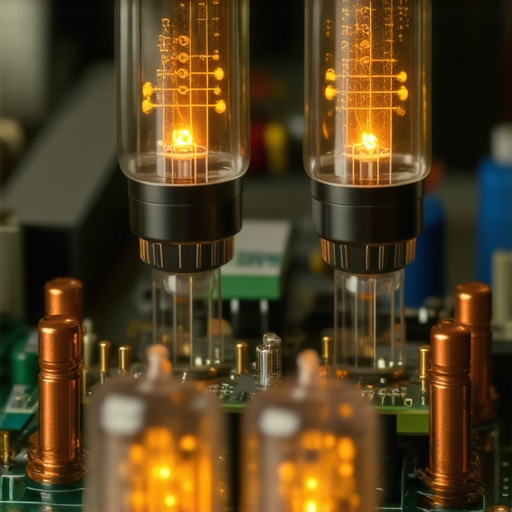
Why Do My New Speakers Sound Harsh Right Out of the Box?
This is the ‘Oops’ factor that leads many people to return perfectly good gear. I’ve seen friends send back four-figure monitors because they sounded thin and brittle on day one. This is a common misunderstanding of mechanical suspension. You have to account for the break-in period where the spiders and surrounds lose their initial manufacturing stiffness. It is vital to understand why your new speakers sound better after 20 hours of use before you decide they are a bad purchase. If you judge a speaker in the first ten minutes, you are essentially looking at a caterpillar and complaining it can’t fly yet. Give the drivers time to reach their intended elasticity.
Spotting the Hidden Flaw in Vintage Receivers
Then there is the allure of vintage gear. I love the warm, tactile feel of a 1970s receiver, but these units bring their own security and performance headaches. You might find yourself wondering why the vocals seem to lean slightly to the left or why one channel sounds ‘muddier’ than the other. Learning how to fix channel imbalance on a vintage stereo amplifier is a rite of passage for any serious listener. Usually, it is just a dirty potentiometer or a leaking capacitor, not a catastrophic failure. Mastering these nuances is what separates a casual listener from someone who actually controls their environment. Have you ever fallen into this trap of over-diagnosing a simple hardware quirk or returning gear too early? Let me know in the comments.
I’ve realized over the years that owning great gear is only half the battle; keeping it from slowly degrading is where the real work happens. You don’t need to be an electrical engineer to prevent a total system meltdown, but you do need a few basics in your drawer. I keep a digital multimeter nearby at all times because learning how to use a multimeter to find a short in your speaker wires has saved me from blowing an expensive output stage more than once. If a wire is frayed or a terminal is touching the chassis, your amp is going to protect itself by shutting down—or worse, by smoking. Being proactive with these small checks is what keeps a great deal from becoming a total disaster.
The Essential Survival Kit for Your Hi-Fi
Beyond the multimeter, my most used tool is a simple can of compressed air and a non-conductive brush. We often worry about digital security, but physical dust is the silent killer of power electronics. If you don’t know how to tell if your amp is running too hot, just look at the vents. If they are caked in grey fuzz, your internal components are basically wearing a parka in July. According to technical documentation from the Audio Engineering Society (AES) regarding thermal compression, even a 10-degree Celsius rise in voice coil or component temperature can significantly alter the impedance of your system, leading to audible distortion and eventual hardware failure. 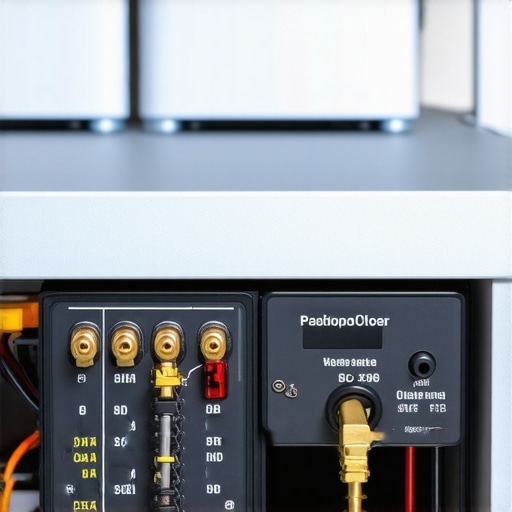
How do I keep my high-end setup sounding new for years?
Maintenance is about consistency rather than deep repairs. Once a year, I pull everything out to inspect the connections. I look for the green tint of oxidation on copper or the crusty residue that signals how to tell if your speaker capacitors are starting to leak. If you catch a leaking cap early, it is a five-dollar fix; if you wait until it pops, it might take out the entire crossover board. While you are at it, use a microfiber cloth to learn how to clean your speaker cones without ruining the paper. Paper drivers are surprisingly delicate and can become brittle if you use the wrong chemicals. Stick to dry, soft brushes and keep them out of direct sunlight to prevent the surrounds from cracking.
The Future of Home Audio is Smaller and Smarter
Looking ahead, I suspect we are moving toward a world where passive speakers become a niche for enthusiasts while active, DSP-corrected systems dominate the mainstream. The trend is moving toward ‘self-healing’ audio gear that can detect its own phase issues or thermal limits and adjust in real-time. Until that becomes the standard, the responsibility lies with us. I predict that software-based calibration will soon be able to alert your phone the second a capacitor starts to drift out of spec. For now, we still have to use our ears and our tools. If you want to see if your setup is truly performing its best, I challenge you to try the easy way to test if your speakers are out of phase using just a 9V battery. It takes ten seconds and can instantly restore the bass response you didn’t even know you were missing.
The Hardest Lesson I Learned About Protecting My Peace
I spent years thinking that if I just bought the ‘right’ brand, these issues wouldn’t happen. The truth is, high-end gear requires even more vigilance than entry-level kits. I’ve learned that digital safety is just as critical as physical placement. If you are currently browsing the market for a new set of cans, keep in mind the secret to identifying counterfeit high-end earbuds online so you don’t get burned by a deal that seems too good to be true. I’ve also learned to ignore the marketing hype surrounding digital interconnects; you should stop wasting money on expensive optical cables because a gold-plated toslink won’t stop a neighbor’s phone from finding your receiver. Protecting your sound is about smart settings, not just thick wires. #IMAGE_PLACEHOLDER_E#
My Go-To Kit for a Flawless Setup
I always tell people to look beyond the big-box stores when building their dream system. Some of my most reliable components came from second-hand hunts; just check out the trick to buying high-end audio at estate sales to see how I’ve saved thousands over the years. Beyond the hardware, I rely heavily on environmental tweaks. Never underestimate the power of your room acoustics—learning how to use a rug to stop your speakers from sounding harsh is a literal game-changer for under fifty dollars. These are the tools that actually make a difference when the lights go down and the music starts.
The Future of Your Sound Is in Your Hands
Don’t let technical jargon or an intrusive neighbor stop you from enjoying your investment. Your audio setup is a sanctuary, a place where you should feel completely in control of the atmosphere. Whether you are constantly hunting for the latest home audio deals or meticulously fine-tuning a vintage masterpiece, remember that you are the final authority on how your space sounds. Take these steps today to lock down your signal and clean your components. You’ll find that when the technical distractions disappear, the music finally has room to breathe. Have you ever had a stranger’s music or a neighbor’s phone accidentally hijack your speakers? Let me know your horror stories in the comments below!